


What Issues Should Be Considered When Using An EPS Pre-electrode Machine?
Feb 07, 2026
Leave a message
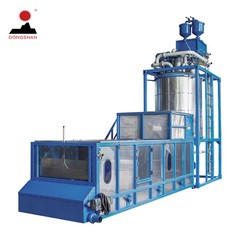
After the EPS pre-expanding machine finishes operating, the beads contain a certain amount of foam and water vapor. The cold bubbles liquefy upon exiting the machine, mixing with the polyethylene to rapidly reduce the working pressure within the bubbles. A negative pressure (partial vacuum pump) is present within the bubbles, making the beads very loose and easily deformable. Therefore, during air supply, the air pressure should not be too high, the inner cavity of the ventilation duct should be as moist as possible, and the bending radius should be as large as possible (to reduce frictional resistance from bumps). The pipes should be good electrical conductors, all lines should be grounded to avoid electrostatic induction ignition, and the transmission speed should not exceed 8m/s to avoid damage to the beads.
The beads immediately after exiting the EPS pre-expanding machine are wet and cold. After release from the EPS pre-expanding machine, due to the absorption of gas, they suddenly cool, resulting in a cooling effect on the foam glue within the honeycomb cells, creating a negative pressure within the cells. Therefore, the beads must be left for a period of time after counting. This allows for both a period of time to allow the gas to permeate, removing the negative pressure, balancing the internal and external working pressures of the cells, preventing cell collapse, and allowing the beads to enlarge.
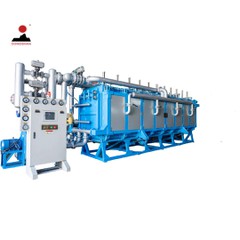
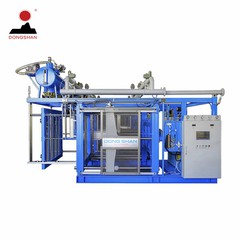
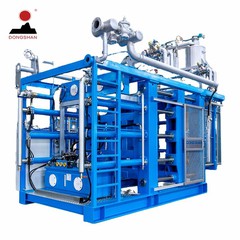
EPS pre-expanding machines are widely used in the company's foam product manufacturing industry. Common problems encountered when adjusting equipment molds are experienced during the use of mechanical equipment. So, how to solve the problem of EPS pre-expanders being unable to be adjusted?
The EPS pre-expander machine manufacturer believes that the mold adjusting valve core is stuck, so the valve should be removed for inspection and cleaning. Use a spirit level to check the levelness and flatness deviation of the mechanical equipment. Adjust the flatness and levelness.
Send Inquiry